
Did you know the average American household loses nearly 20% of its energy? This is due to drafty windows and poor insulation. This waste often goes unnoticed but greatly affects your monthly bills.
You don’t need a big budget for real changes. This guide offers the best ways to improve home efficiency with simple steps. We give you practical advice for meaningful results without overwhelming you with big projects.
We start with quick, low-cost habits and then move to bigger upgrades. By focusing on home energy efficiency, you can make your home more comfortable and save money. Learn how easy changes can lead to big energy savings at home today.
Key Takeaways
- Start with small, low-cost habits to see immediate results.
- Focus on sealing air leaks to prevent energy loss.
- Upgrade to smart technology for better climate control.
- Prioritize insulation to maintain a stable indoor temperature.
- Track your progress to stay motivated on your conservation journey.
Best Ways to Improve Home Efficiency: Start With Low-Cost Changes
You can start saving money today with a few simple, low-cost changes. Many think energy-efficient home improvements need a big budget. But, small tasks can tackle common energy waste before big changes.
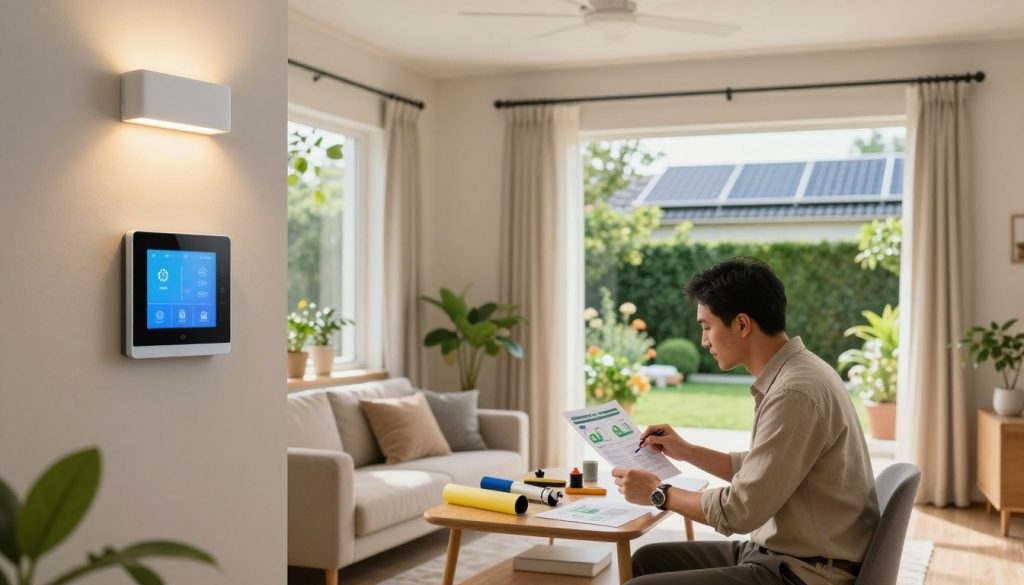
Seal Air Leaks Around Windows, Doors, and Utility Openings
Drafty windows and doors can raise your energy bills. Fixing these gaps with inexpensive caulk or weatherstripping is easy. This stops conditioned air from escaping.
Replace Incandescent Bulbs With LED Lighting
Switching to LED bulbs is a top energy-saving upgrade. They use less electricity and last longer than incandescent bulbs. You’ll see your lighting costs drop right away.
Use Smart Power Strips to Reduce Standby Energy
Many devices draw power even when off, known as phantom load. Smart power strips cut power to unused devices. This simple step saves energy without effort.
Adjust Thermostat Settings for Daily Savings
Your heating and cooling system is a big part of your bill. Lowering your thermostat by a few degrees saves a lot. These low-cost energy-saving tips are easy and help you save over time.
| Upgrade Type | Primary Benefit | Difficulty Level | Estimated Impact |
|---|---|---|---|
| Weatherstripping | Reduces air drafts | Easy | High |
| LED Lighting | Lowers electricity use | Very Easy | Medium |
| Smart Power Strips | Stops phantom loads | Easy | Medium |
| Thermostat Adjustment | Optimizes HVAC use | Very Easy | High |
Make Energy-Efficient Home Improvements That Deliver Long-Term Savings
Upgrading your home with high-efficiency systems brings lasting environmental and financial benefits. Small changes help, but big renovations tackle your home’s core. These eco-friendly home improvements help control your indoor climate and cut down on utility use.
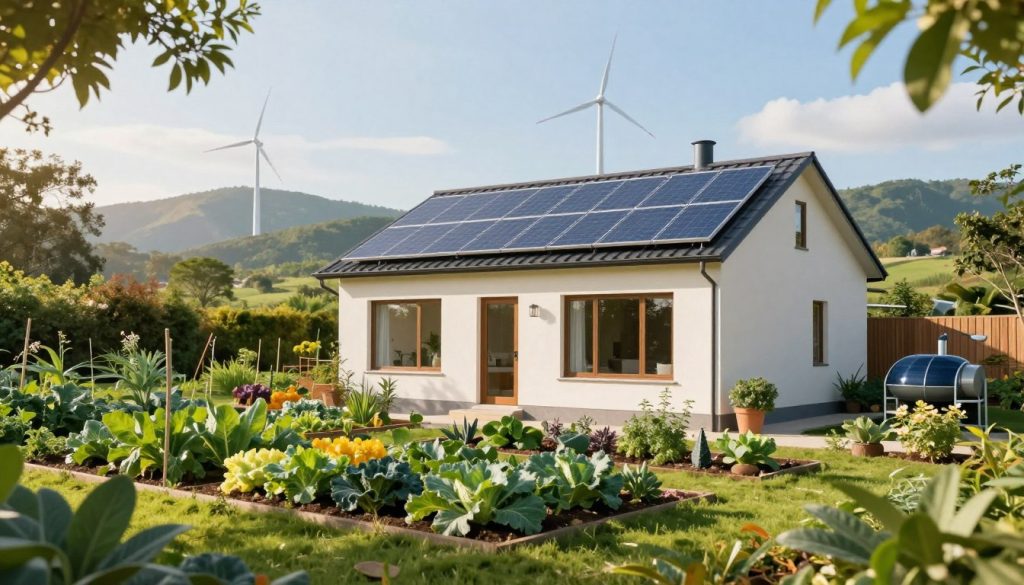
Upgrade Attic Insulation and Improve Air Sealing
Your attic is a key thermal barrier for your home. Adding quality insulation keeps heat in winter and out in summer. Proper air sealing keeps conditioned air where you want it.
Choose Energy-Efficient Windows or Add Window Treatments
Windows are often a weak spot in your home’s thermal envelope. Double or triple-pane glass reduces heat transfer. If full replacement isn’t possible, high-quality shades or curtains are great green home efficiency solutions to cut energy loss.
Install a High-Efficiency HVAC System and Maintain It Regularly
Heating and cooling are big energy users. A modern, high-efficiency HVAC system heats or cools your home with less power. Regular maintenance, like changing filters and cleaning coils, keeps it running well.
Replace Older Appliances With ENERGY STAR Models
Old appliances use a lot of electricity. Look for the ENERGY STAR label when upgrading. These models save energy by using less water and power in every cycle.
Use a Heat Pump Water Heater or Insulate Your Current Tank
Water heating is a big expense. A heat pump water heater is more efficient than electric resistance heating. If you can’t replace it, insulating your tank helps keep heat in.
“The most sustainable energy is the energy you do not use. By upgrading your home’s infrastructure, you are not just saving money; you are investing in a resilient future.”
| Improvement Type | Primary Benefit | Maintenance Level | Comfort Impact |
|---|---|---|---|
| Attic Insulation | Thermal Retention | Low | High |
| HVAC System | Climate Control | High | Very High |
| ENERGY STAR Appliances | Power Efficiency | Low | Moderate |
| Heat Pump Water Heater | Lower Utility Bills | Moderate | High |
Practice Home Energy Conservation Every Day
Changing your daily habits is a great way to make your home more energy efficient. Small, consistent actions can help reduce your environmental impact and save money. These home energy conservation tips are easy to add to your daily routine.
Wash Clothes in Cold Water and Air-Dry Them When Possible
Using hot water for laundry uses a lot of energy. Switching to cold water saves a lot of energy. Also, drying clothes outside when you can avoids using the dryer.
Improve Refrigerator, Freezer, and Dishwasher Efficiency
Kitchen appliances use a lot of energy all day. Clean the coils on your fridge to help it work better. Also, only run the dishwasher when it’s full to save energy.
Reduce Water Heating Costs With Low-Flow Fixtures
Low-flow showerheads and faucet aerators save hot water. They use less water without losing pressure. This means your water heater works less, saving you money.
Use Ceiling Fans and Natural Ventilation Strategically
Use nature to cool your home instead of air conditioning. Ceiling fans help in warm months. Open windows at night to cool your home naturally.
Track Energy Use With Your Utility Dashboard or a Home Energy Monitor
Knowing how much energy you use is key. Most utility providers have online dashboards for this. A home energy monitor gives even more detailed information.
Conclusion
Turning your home into a high-performance space starts with a plan. Begin with simple, low-cost changes to save money right away. These steps are the first step towards a greener lifestyle.
Upgrading your home takes more thought but is worth it in the long run. Look at areas where your home loses comfort or needs a lot of upkeep. Investing in ENERGY STAR appliances and modern HVAC systems is a smart move.
Keeping up with daily habits makes these changes last. Use your utility dashboard to see how you’re doing and find more ways to save. Your efforts will make your home more comfortable and save you money.
Begin by improving one area of your home today. Share your progress with friends or family to encourage others. Your efforts will make your home more efficient and cozy for years.