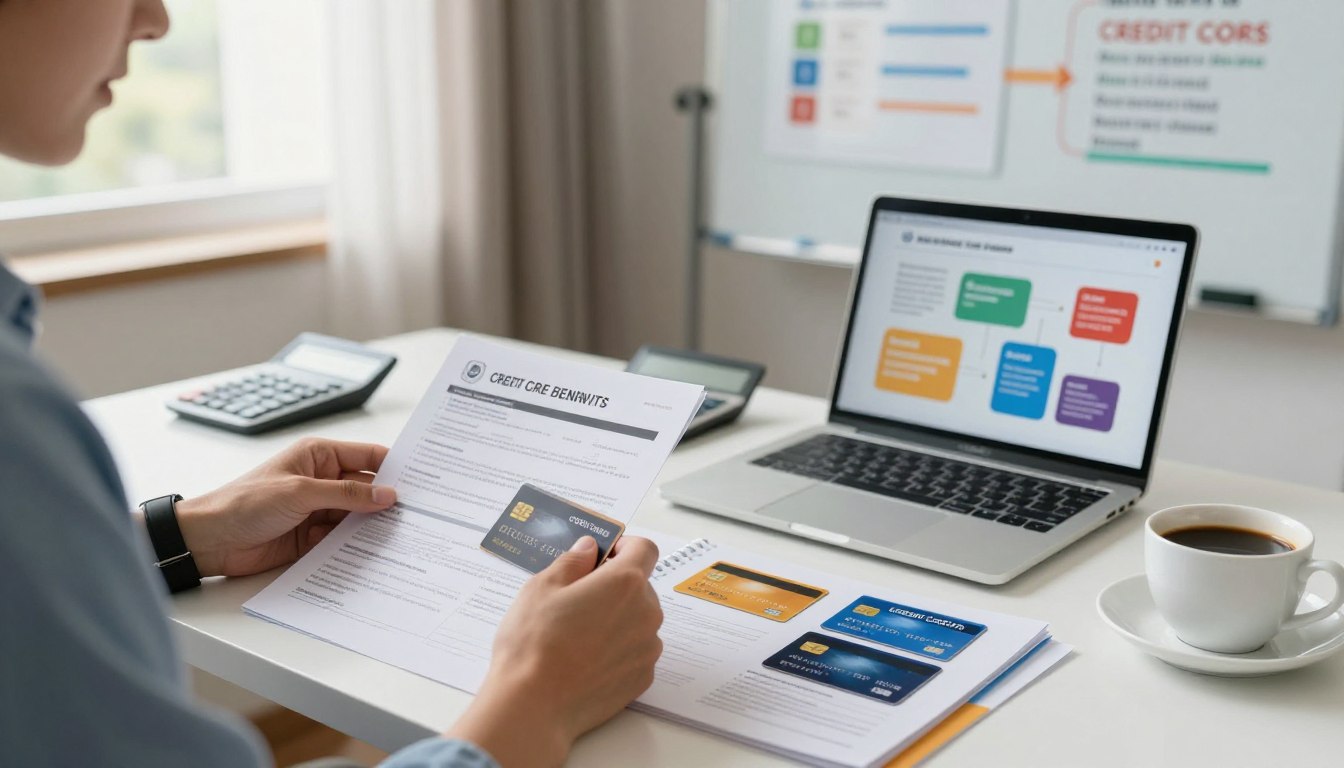
Did you know over 75% of American adults carry at least one credit card? Truly understanding credit cards can save you thousands in interest over your lifetime.
Credit cards are like a revolving line of credit. They let you buy things now and pay later. It’s like a short-term loan that resets every month.
To learn how credit cards work, you need to know a few things. You’ll have to understand billing cycles, interest rates, and rewards. Most U.S. issuers send you a statement at least 21 days before you need to pay.
This grace period is your ally for managing money. Paying your full balance on time avoids fees and builds a good financial reputation. Let’s look at how to keep your finances in check.
Key Takeaways
- Credit cards function as revolving lines of credit for daily spending.
- You must repay your balance to avoid high interest charges.
- Issuers typically provide a 21-day window before your payment deadline.
- Responsible usage helps you build a positive financial history.
- Always review your billing cycle to track your monthly expenses.
How Credit Cards Work: The Basics You Need to Know
Understanding credit cards might seem hard, but it’s easy once you get the basics. Knowing these credit card basics helps you use your card wisely. It keeps your spending in check and your finances healthy.

Your Credit Limit and Available Credit
Every credit card has a credit limit, the max you can borrow at once. Think of it as your spending ceiling. As you buy things, your available credit goes down by what you spent.
When you pay off your balance, your available credit goes back up. For example, if your limit is $1,000 and you spend $200, you have $800 left. Paying off that $200 brings your available credit back to $1,000.
Purchases, Billing Cycles, and Statements
Your card activity is tracked in a billing cycle, usually 28 to 31 days. At the end, the bank sends a statement with all your transactions and payments.
This statement shows your balance and the minimum payment to keep your account good. It’s key to check your statement for accuracy and to track your spending.
Minimum Payments, Full Payments, and Due Dates
Every statement has a due date for the minimum payment. Paying the minimum keeps your account open, but it’s better to pay in full if you can.
Paying in full avoids interest and keeps your debt low. If you only pay the minimum, you’ll likely get charged interest on the remaining balance.
| Payment Strategy | Interest Charged | Impact on Debt |
|---|---|---|
| Pay in Full | None | Debt is eliminated |
| Pay Minimum | High Interest | Debt grows over time |
| Partial Payment | Applied to Balance | Debt decreases slowly |
Interest Rates, APR, and Grace Periods
Understanding the Annual Percentage Rate, or APR, is key. The APR is the yearly cost of borrowing if you carry a balance. It’s the price for using credit.
Many cards offer a grace period. This is time between buying and paying off your balance. If you pay in full by the due date, you avoid interest. This makes paying your balance in full a smart move.
Credit Card Fees, Benefits, and Smart Usage Tips
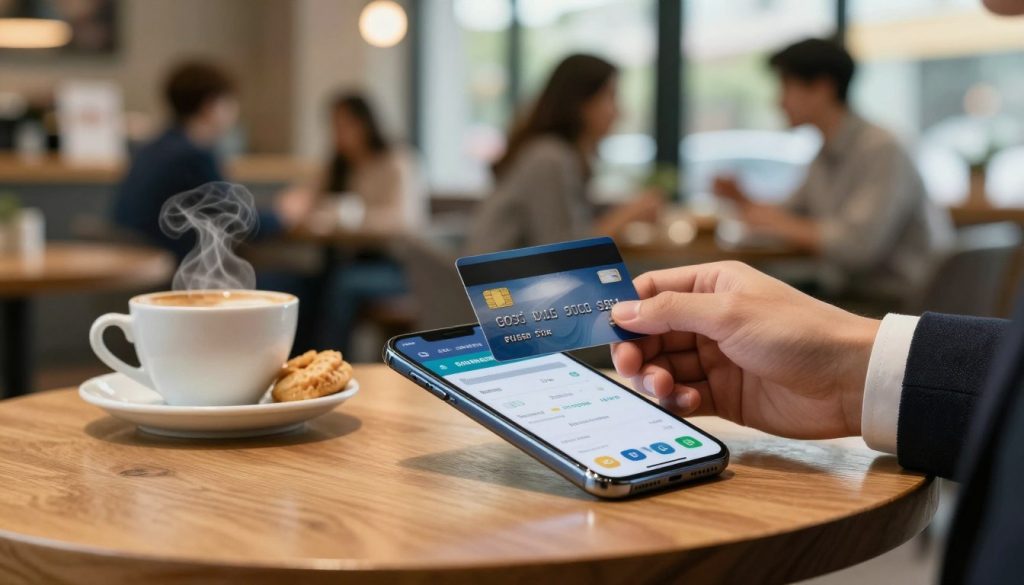
There’s more to credit cards than just swiping. Fees and rewards are key to getting the most out of your cards. Knowing about these can help you save money and keep your finances healthy.
Common Credit Card Fees to Watch For
Issuers charge for certain actions. Knowing about these credit card fees can save you a lot of money.
- Annual Fees: A yearly charge for holding a premium card.
- Balance Transfer Fees: A percentage charged when moving debt from one card to another.
- Cash Advance Fees: High costs for withdrawing cash from an ATM.
- Foreign Transaction Fees: Extra charges for purchases made outside the United States.
- Late Payment Charges: Penalties for missing your due date.
How Credit Card Rewards and Benefits Work
Many cards offer valuable perks to encourage spending. These credit card benefits include cash back, travel points, and purchase protections.
Look out for introductory offers like 0% APR periods or bonus points for reaching spending goals. Check your card agreement, as these features vary.
How Credit Card Usage Affects Your Credit Score
Your credit card usage is key to your credit profile. Lenders check your payment history and credit utilization.
Utilization is how much of your available credit you use. Keeping this low is a smart strategy for a good score.
Ways to Avoid Interest and Late Payment Charges
Pay your statement balance in full each month to avoid interest. This way, you use the grace period without interest.
Set up automatic payments to avoid late fees. This simple step keeps your credit score safe.
Safe Habits for Managing Your Card Responsibly
Stay safe by being consistent and detail-oriented. Enable mobile alerts to track spending and review statements for unauthorized transactions.
Avoid cash advances unless it’s an emergency, as they have high interest rates. Stay organized to enjoy your cards without hidden costs.
| Fee Type | Typical Cost | How to Avoid |
|---|---|---|
| Annual Fee | $0 – $500+ | Choose no-fee cards |
| Late Fee | Up to $40 | Set up autopay |
| Cash Advance | 3% – 5% | Use debit cards |
| Foreign Fee | 1% – 3% | Use travel-friendly cards |
Conclusion
Understanding limits, statements, and interest rates makes managing money easier. You feel more confident when you track your spending and pay on time. Paying your balance in full avoids interest charges on most purchases.
Choosing the right credit card is important. Look at annual fees, interest rates, and special perks. Cards from Chase or American Express offer different benefits. These details show if a card is worth it for you.
Explore different credit card rewards programs to find the best match for you. Some cards give cash back on groceries, while others offer travel points. Choosing a card that fits your spending habits can make your money work harder.
The best card is one that fits your budget and payment ability. Pick cards with features you’ll use without adding debt. Making smart choices now can improve your financial health later.