
Did you know that nearly 25% of the power in an average American home is wasted? This happens when devices are left in standby mode. You can save money by using simple energy-saving tips that don’t need a professional.
You don’t have to spend a lot on renovations to save. By using smart-meter data, adjusting your thermostat, and sealing air leaks, you can cut down on your electricity bills. Making small changes in how you use lighting, laundry, and dishwashers can make a big difference.
This guide will show you practical strategies for quick results. We’ll also look at long-term investments like HVAC upgrades or ENERGY STAR appliances. Learning how to reduce home energy costs starts with these easy, daily habits.
Key Takeaways
- Identify and eliminate phantom power loads from electronics.
- Adjust thermostat settings to optimize heating and cooling efficiency.
- Seal air leaks around windows and doors to prevent drafts.
- Use cold water for laundry to save on water heating expenses.
- Monitor smart-meter data to track your daily usage patterns.
- Prioritize high-impact behavioral changes before purchasing new equipment.
How to Reduce Home Energy Costs with Fast, Low-Cost Changes
Improving your home energy efficiency doesn’t need a big budget or complex changes. Many effective energy conservation strategies are simple. They involve small changes in behavior and maintenance tasks. These changes can lower your monthly bills quickly.
Audit Your Highest Energy Uses
Before buying new equipment, know where your energy goes. A DIY audit helps find out.
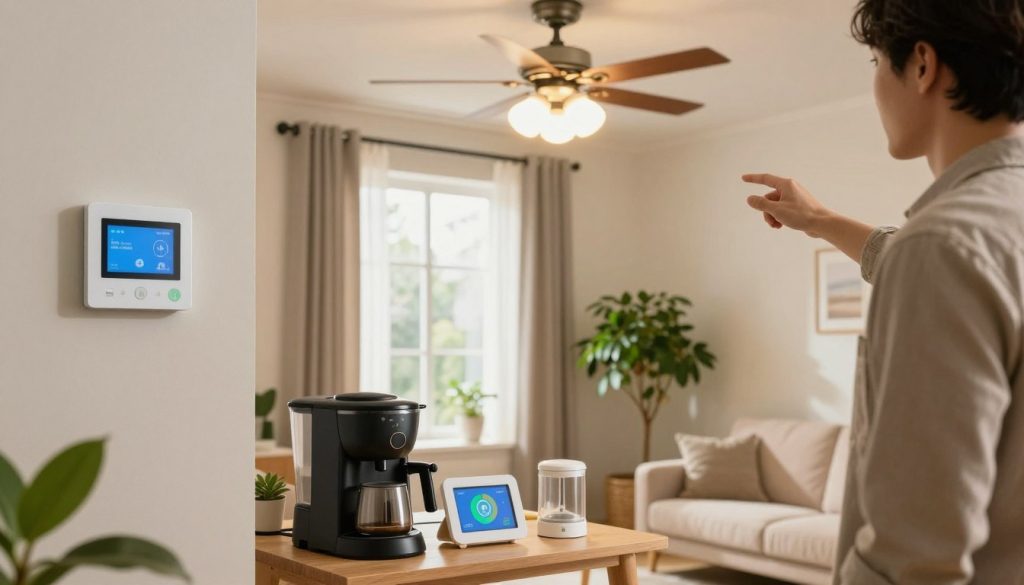
Review Utility Bills and Smart-Meter Data
Start by looking at your utility bills from the last year. This shows when energy use goes up. If you have a smart-meter portal, check your usage by the hour. This helps spot patterns, like high use at night or when you’re away.
Identify Heating, Cooling, and Water-Heating Waste
Heating and cooling use the most energy in most homes. Water heating is next. Check your HVAC filters and set your water heater to 120 degrees to save energy.
Adjust Daily Habits That Lower Electricity Bills
Small daily changes can save a lot of money. These energy-saving tips cost nothing but save a lot.
Set Efficient Thermostat Temperatures
Lowering your thermostat a few degrees can save a lot on bills. Keep it at 68 in winter and 78 in summer when home. A programmable thermostat helps set these temperatures automatically.
Reduce Standby Power and Unnecessary Lighting
Many devices use power even when off, known as “vampire energy.” Use power strips to turn off entertainment centers and offices. Also, turn off lights in unused rooms.
Run Laundry and Dishwashers Efficiently
Only run full loads in your dishwasher and washing machine. Washing clothes in cold water saves energy. Air-drying dishes and clothes saves even more.
Stop Air Leaks Around Doors and Windows
Drafty homes make your heating and cooling work harder. Sealing gaps is key to better energy use.
Apply Weatherstripping and Caulk
Check your windows and doors for air leaks. Use weatherstripping for moving parts and caulk for fixed gaps. These are cheap and easy to find at hardware stores.
Improve Attic, Basement, and Crawl-Space Sealing
Air leaks into homes through unfinished spaces like attics and crawl spaces. Use foam or insulation boards to seal gaps around pipes and wiring. This keeps conditioned air in and outside air out.
Make Practical Upgrades for Better Home Energy Efficiency
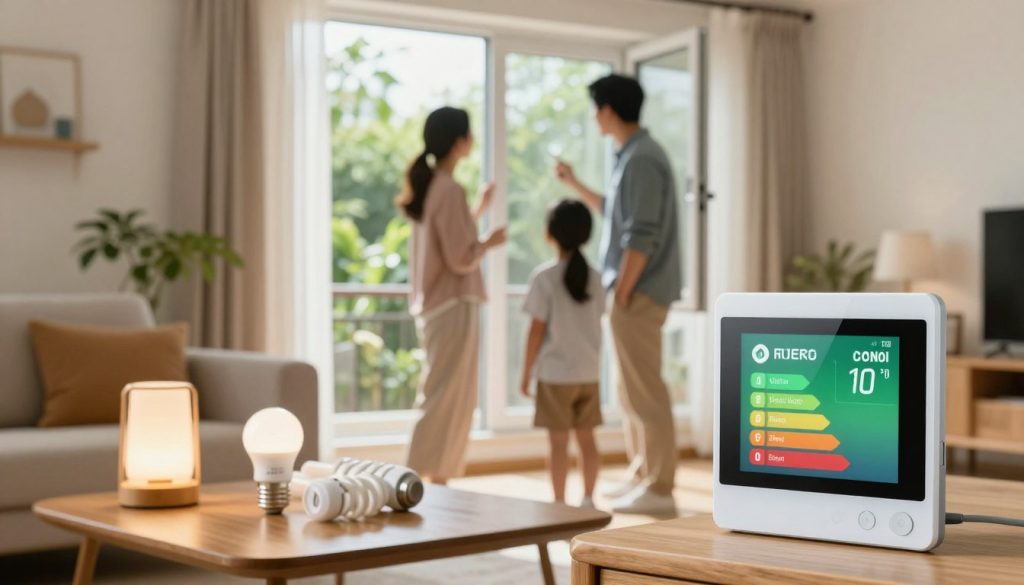
You can turn your home into a high-performance space with a few smart upgrades. These eco-friendly home improvements cut down your utility bills and boost your home’s value. By focusing on key systems, you make your home more comfy and green.
Improve Heating and Cooling Performance
Replace HVAC Filters Regularly
Your HVAC system works harder with a clogged filter. Replacing filters every one to three months improves airflow and saves your motor.
Schedule Professional Maintenance
Annual checks by a pro can catch small issues before they cost a lot. A well-maintained system saves you money all year.
Use Ceiling Fans and Zoned Temperature Settings
Ceiling fans let you raise your thermostat by four degrees without losing comfort. Zoned temperature controls also help, keeping only used rooms warm or cool.
Choose Energy-Efficient Appliances
Prioritize ENERGY STAR Refrigerators, Washers, and Dishwashers
Look for the ENERGY STAR label when upgrading. These energy-efficient appliances use less electricity and water than standard ones.
Compare Annual Energy Use Before Buying
Check the “EnergyGuide” label to compare costs. A higher initial cost can be worth it for lower bills over time.
Replace Older Appliances in the Right Order
Start with your fridge, as it’s always on and uses a lot of energy. Then, replace your dryer and dishwasher for more savings.
| Appliance Type | Average Annual Savings | Lifespan (Years) | Efficiency Rating |
|---|---|---|---|
| Refrigerator | $80 – $120 | 12-15 | High |
| Dishwasher | $30 – $50 | 10-12 | Medium |
| Clothes Washer | $40 – $70 | 11-14 | High |
Upgrade Insulation and Windows Strategically
Add Attic Insulation Before Replacing Windows
Many people replace windows first, but attic insulation is more cost-effective. It acts as a thermal blanket for your home.
Use Curtains, Blinds, and Solar Shades
Window treatments help manage heat in summer and winter. Closing curtains in the hottest part of the day keeps your home cooler.
Consider Storm Windows and Energy-Efficient Glass
Storm windows add protection against drafts in cold climates. Energy-efficient glass coatings also help keep your home’s temperature stable.
Reduce Water-Heating and Plumbing Energy Waste
Lower the Water-Heater Temperature Safely
Setting your water heater to 120 degrees is usually enough. This adjustment prevents scalding and saves energy.
Install Low-Flow Showerheads and Faucet Aerators
These devices reduce water use without losing pressure. They save on water bills and heating costs.
Insulate Hot-Water Pipes and the Storage Tank
Wrapping pipes in foam insulation prevents heat loss. An insulating blanket on your storage tank also improves efficiency, even in unheated basements.
Use Smart Technology to Control Energy Consumption
Install a Programmable or Smart Thermostat
Smart thermostats adjust the temperature based on your schedule. They ensure you don’t waste energy when you’re not home.
Use Advanced Power Strips for Electronics
Many devices draw power even when turned off. Advanced power strips cut power completely when not in use.
Monitor Whole-Home Energy Consumption
Energy monitors show which appliances use the most power. This data helps you make choices to reduce your environmental impact.
Conclusion
Lowering your monthly bills starts with a clear plan. You can reduce utility expenses by auditing your energy use and fixing simple air leaks. Small changes to your daily habits and regular HVAC maintenance create a strong foundation for long-term savings.
Focus your budget on the areas where your home wastes the most power. Prioritize upgrades like attic insulation, ENERGY STAR appliances, and low-flow plumbing fixtures. These eco-friendly home improvements pay for themselves over time while increasing your property value.
Commit to sustainable living practices by integrating smart thermostats and efficient lighting into your routine. These energy conservation strategies work best when you track your consumption patterns regularly. Monitoring your progress keeps your goals measurable and keeps your household budget on the right track.
Start your journey toward a more efficient home today. Small steps lead to big results for your wallet and the planet. Keep watching your utility bills drop as you refine your approach to home energy management.