
Did you know almost 95% of Americans have a policy for their property? Yet, many can’t explain what it covers. Understanding homeowners insurance basics is key to protecting your biggest asset.
Your home insurance coverage protects your home, belongings, and you from lawsuits. It also covers temporary living costs if you can’t stay in your home. But, you must read your policy carefully.
Every policy has its own limits, deductibles, and things it doesn’t cover. Knowing these details keeps your family safe when unexpected things happen. By taking charge of your policy now, you avoid big surprises later.
Key Takeaways
- Understand that your policy protects both your physical structure and your personal items.
- Liability protection is a critical component that guards your assets against lawsuits.
- Always review your deductible amounts to know your out-of-pocket costs during a claim.
- Check for specific exclusions in your policy to avoid gaps in your protection.
- Temporary living expenses provide essential support if your home becomes uninhabitable.
Homeowners Insurance Basics: What Your Policy Protects
Your homeowners insurance is more than a must-have. It’s a comprehensive shield for your financial future. These property protection plans are designed to cover every part of your home and lifestyle.
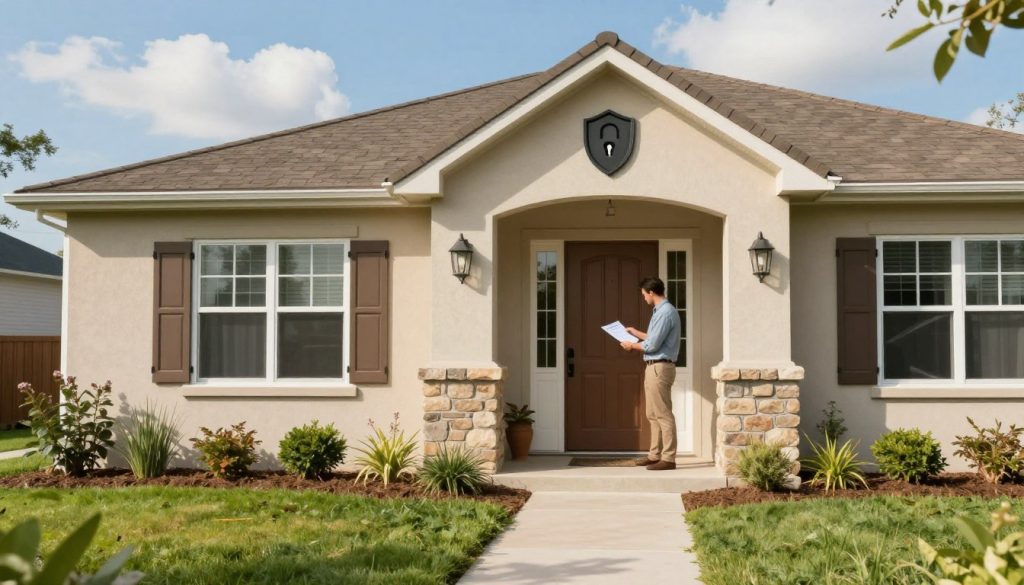
Dwelling coverage pays to repair or rebuild your home
This is the core of your policy. It covers your home’s structure, like the roof and walls. It also includes built-in appliances if they’re damaged by things like fire or windstorms.
Other structures coverage protects detached property
Many forget that their policy covers more than just the main house. This includes detached structures like:
- Detached garages
- Storage sheds
- Fences and gates
- Gazebos or guest houses
Personal property coverage safeguards your belongings
Your property protection plans also cover your home’s contents. This includes furniture, clothes, electronics, and more. It helps if these items are stolen or damaged by a covered event.
Liability insurance for homeowners helps with injury and damage claims
Liability insurance for homeowners is for when accidents happen. It protects your assets if someone gets hurt on your property. It also covers damage to someone else’s property if you or a family member are responsible.
“Insurance is not just about paying premiums; it is about securing your peace of mind when the unexpected occurs.”
Additional living expenses support you after a covered loss
If a disaster makes your home uninhabitable, you need a place to stay. This coverage, often called “loss of use,” pays for temporary housing. It also covers hotel bills and meals while your home is being fixed.
Check whether coverage uses replacement cost or actual cash value
It’s important to know how your insurer calculates payouts. Replacement cost covers the cost of new items or rebuilding at today’s prices. It doesn’t consider the item’s age.
Actual cash value subtracts depreciation from the item’s original cost. This means you might get less money for older items. Always check your policy declarations page to see which method applies to your coverage.
Key Policy Features That Affect Your Protection and Costs
Your homeowners insurance is more than just a document. It’s a vital safety net that needs careful setup. Knowing the insurance policy features in your plan helps balance strong protection with affordable costs.
Learn how dwelling coverage limits are calculated
When setting your policy, focus on rebuilding your home’s cost. Many people use their home’s market value. But dwelling coverage limits should reflect today’s local labor and material costs.
If disaster strikes, you need enough money for today’s contractors and supplies. Using market value can leave you underinsured if construction costs rise in your area.

Use an insurance deductible explanation to understand out-of-pocket costs
An insurance deductible is the amount you pay before your provider covers the rest. Choosing a higher deductible can lower your monthly premiums.
But, make sure you have savings for that amount if you file a claim. Higher deductibles mean you pay more out-of-pocket. Pick a deductible that fits your emergency fund.
Review common exclusions, including floods, earthquakes, and maintenance problems
Not all damage is covered by a standard policy. Most plans exclude damage from floods, earthquakes, and general wear and tear.
Insurance is for sudden, accidental events, not for predictable maintenance issues. You should regularly inspect your home to prevent damage not covered by your policy.
Consider endorsements for valuables, sewer backups, home businesses, and identity theft
If your standard policy seems too limited, you can add endorsements. These optional add-ons provide extra protection for specific risks or high-value items.
- Valuables: Extra coverage for jewelry, art, or collectibles.
- Sewer Backups: Protection against water damage from pipe failures.
- Home Businesses: Coverage for professional equipment and liability.
- Identity Theft: Assistance with recovery costs and legal fees.
Understand insurance premiums and the factors that influence them
Your insurance premiums are based on various risk factors that insurers analyze. While you can’t change your location, you can improve other areas to lower costs.
Compare location, claims history, credit-based insurance scores, and home safety features
Insurers consider your neighborhood’s crime and weather risks to set your rate. They also look at your past claims and, where allowed, your credit-based insurance score to gauge risk.
| Factor | Impact on Premium | Actionable Tip |
|---|---|---|
| Home Safety | Lowers Cost | Install smoke detectors and alarms. |
| Claims History | Increases Cost | Avoid filing small, minor claims. |
| Credit Score | Varies | Maintain a healthy credit profile. |
| Dwelling Limits | Increases Cost | Review limits annually for accuracy. |
How to Compare Types of Homeowners Insurance and Home Coverage Options
Finding the right balance between cost and coverage starts with comparing types of homeowners insurance. Every home is different. Knowing how different policies work helps you choose the best for your family.
Compare the standard HO-3 policy with broader HO-5 coverage
The HO-3 policy is common for single-family homes. It offers open-peril coverage for your home. This means it protects against all risks, unless they are specifically excluded.
An HO-5 policy gives more protection for your home and belongings. Unlike an HO-3, which covers personal property on a named-peril basis, an HO-5 covers more. It’s a top choice for many homeowners.
Explore HO-4 renters insurance and HO-6 condo insurance when applicable
If you don’t own a single-family home, you still have important home coverage options. An HO-4 policy, also known as renters insurance, protects your personal items and offers liability coverage in a rented space.
Condo owners usually have an HO-6 policy. This insurance works with the master policy from your homeowners association. It covers the inside of your unit and your personal liability.
Match property protection plans to your home’s age, value, and risks
When picking a plan, think about your property’s needs. Older homes might need special coverage for outdated systems that cost a lot to replace.
High-value homes often need replacement cost coverage, not actual cash value. Also, consider location-specific risks like flood zones or wildfires to make sure your policy is enough.
Choose liability limits that reflect your assets and personal risk
Liability insurance is a safety net if someone gets hurt on your property. Choose limits that match your total net worth. This protects your savings and future earnings.
“Insurance is not just a bill; it is a promise of protection for the things that matter most in your life.”
Bundle policies and ask about discounts without sacrificing necessary coverage
Many insurers give big savings if you bundle home and auto policies. Saving money is key, but don’t cut coverage to lower your premium.
- Ask about security system discounts.
- Inquire about loyalty rewards for long-term policyholders.
- Review your deductible to see if a higher amount fits your budget.
Compare declarations pages, exclusions, limits, deductibles, and endorsements side by side
Before signing, make a simple comparison table. This helps you see what you’re getting. It ensures you’re not missing important details about what’s not covered.
| Feature | HO-3 | HO-5 |
|---|---|---|
| Dwelling Coverage | Open Peril | Open Peril |
| Personal Property | Named Peril | Open Peril |
| Best For | Standard Homes | High-Value Assets |
Update your policy after renovations, purchases, or major household changes
Your insurance needs change over time. If you do a big renovation or buy expensive items, your policy might not be enough.
Always tell your agent about big life changes. A yearly review of your types of homeowners insurance keeps your coverage up to date with your life.
Conclusion
Protecting your property is more than just signing a contract with companies like State Farm or Allstate. You need to actively manage your coverage. This ensures it fits your current life stage and financial goals.
A clear insurance deductible explanation is key to managing risks. It’s the amount you pay before your provider covers the rest. Choosing a higher deductible can lower your monthly payments. But, make sure you have enough savings to cover it if disaster hits.
Understanding insurance premiums means looking beyond the initial cost. Check your coverage limits, policy exclusions, and discounts. This helps build a strong safety net. Focus on the total value of your protection, not just the cheapest rate.
Review your declarations page at least once a year. Talk to your agent about any gaps in your protection or new risks. Choosing the right plan gives you peace of mind. It ensures your assets stay safe, no matter what the future brings.